
The American Library Association defines media literacy as “the ability to access, analyze, create and act using all forms of communication” and information literacy as “the ability to think critically about varying types of information and analyze whether it is the right information for the intended purpose.” In an increasingly digital world, it’s important for young people to know who and what to believe. Check out a few titles from our catalog to support conversations around literacy and current events with the children in your life.
Picturebooks
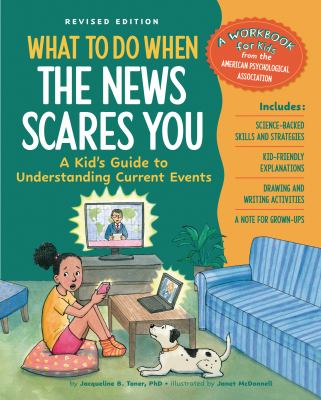
What to Do When the News Scares You: A Kid’s Guide to Understanding Current Events
by Jacqueline B. Toner (physical)
It can be hard to know just what to say when something scary happens. This book helps you and your child navigate the worry they may experience when hearing headlines.
Fact, Fiction, and Opinions: The Difference Between Ads, Blogs, News Reports and Other Media
by Brien J. Jennings (physical)
A core tenet of information literacy is understanding the purpose of a material. This book helps young people differentiate between different types of media. Check out related titles by this author such as Stay Safe Online.
Learning About Media Literacy
by Martha Rustad (Hoopla audiobook)
This book teaches the youngest readers how to evaluate, understand and interact with media.
Middle Grade
Question Everything: How to Tell Fact from Fiction
by Susan Martineau (physical)
This illustrated middle grade book teaches young people how to think for themselves and question the news and other media effectively.
Can You Believe It?: How to Spot Fake News and Find the Facts
by Joyce Grant (physical and eBook)
With hilarious examples and detailed illustrations, Joyce Grant teaches readers how to tell the difference between trustworthy journalism and fake news and what makes certain stories popular. Interested in how this applies to social media? Check out Burst Your Bubble: Outsmart the Algorithms and See What You’re Missing by the same author.
Sticking to the Facts: 10 Ways to Fight Misinformation
by Gregor Craigie (physical)
Misinformation isn’t a new phenomenon. Gregor Craigie explores examples of misinformation throughout history and provides concrete ways to combat this tendency.
Teens
The Media and Me by Project Censored (physical)
Statistics show that 8-18 year olds use media for over 11 hours a day. This guide offers teens the skills necessary to comprehend, question and critique what they consume.
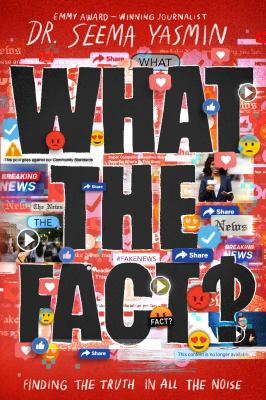
What the Fact by Seema Yasmin (physical)
In an online landscape full of hoaxes and conspiracy theories, physician and journalist Seema Yasmin helps readers discern fact from fiction.
True or False: A CIA Analyst’s Guide to Spotting Fake News
by Cindy L. Otis (physical and eBook)
From Ramses II to Jack the Ripper, fake news has existed. Using her background as a former CIA analyst, Cindy L. Otis teaches readers how to scope out clues to authenticate information, how to analyze the author’s (and our own) bias, and determine whether images have been altered.
Written by:
Allison Woodley
Information and Digital Services Library Assistant

