If you’re anything like me, Halloween season started September 1st. But for those who are more reserved, October is officially upon us. It’s time to decide: are you team pumpkin spice or team spooky season? Below, you’ll find books from our BCCLS collection for young readers who love a cozy autumn pick or a chilling thriller. Join our Youth Services department on Halloween for a scary story read aloud…if you dare.
Please be advised the Spooky Season section below features images and topics that may be disturbing to some readers.
Pumpkin Spice
Picturebooks
Pete the Cat Falling for Autumn by Kimberly and James Dean (physical, Libby eBook, Hoopla e-audiobook)
Pete the Cat is certain he prefers summer over fall. But after a chat with Mom, he begins to appreciate all that fall has to offer: pumpkin pies, apple picking, football and more!
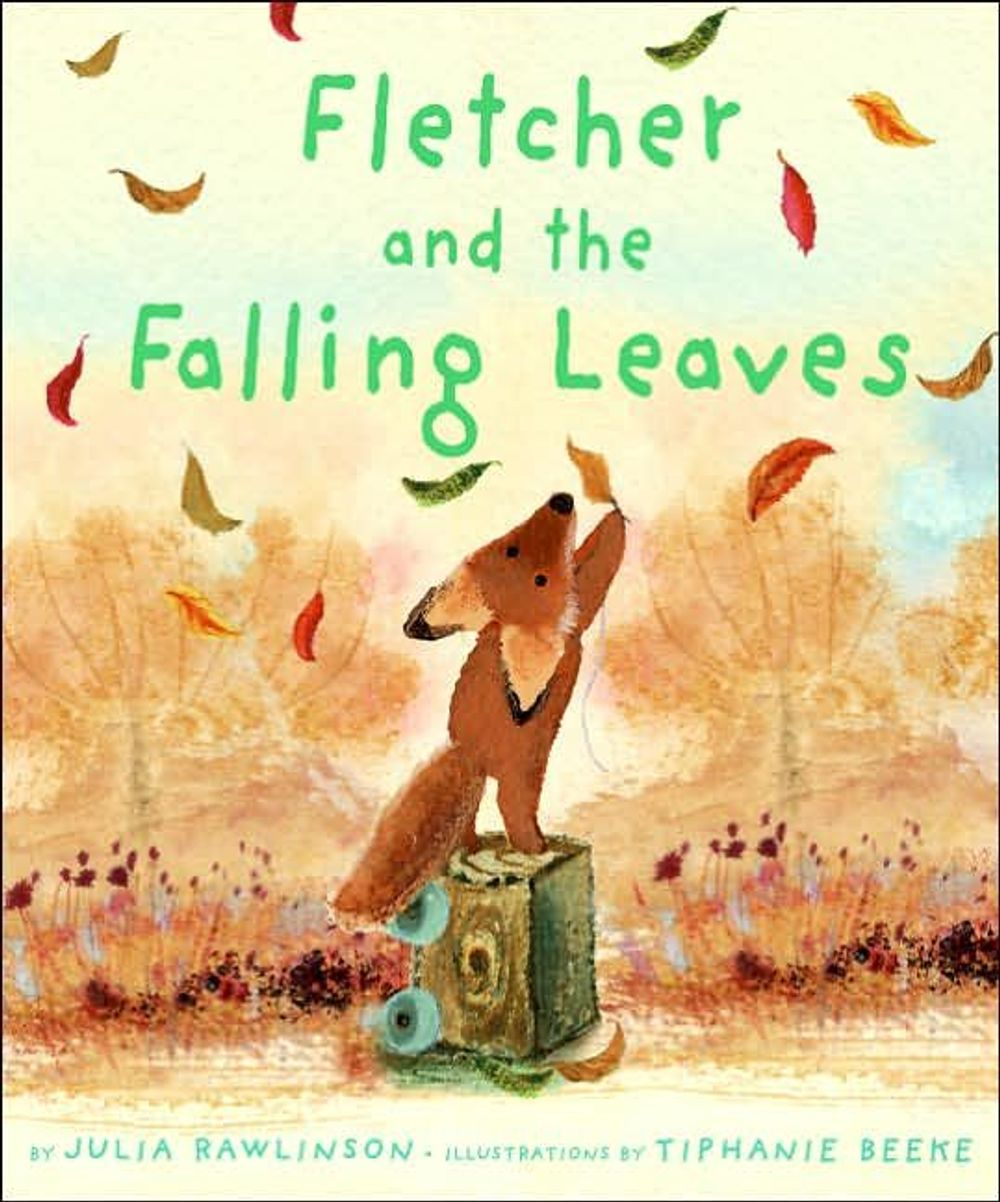
Fletcher and the Falling Leaves by Julia Rawlinson (physical, Hoopla e-book, Hoopla e-audiobook)
It’s Fletcher’s first fall and he’s worried about his favorite tree. It turns more and more brown everyday until its leaves start falling. Will he be able to help it?
Goodbye Summer, Hello Autumn by Kenard Pak (physical, available in Chinese)
With beautiful illustrations, this book walks readers through the natural changes that happen between summer and autumn.
Middle Grade
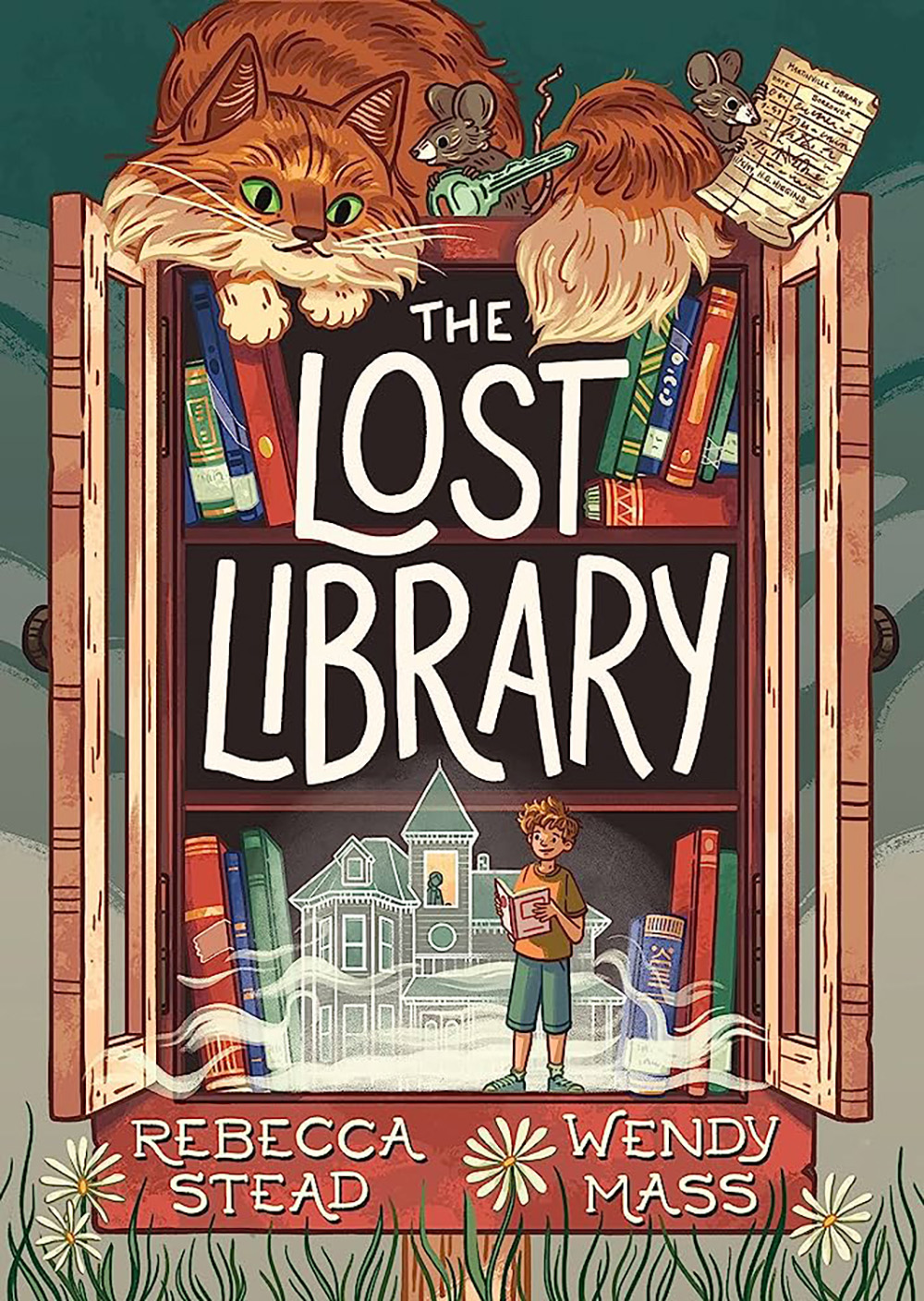
The Lost Library by Rebecca Stead (physical, e-book, e-audiobook, large print)
A mysterious little free library appears overnight in Martinville. It’s guarded by a large orange cat. Evan and his best friend Rafe grab two books and discover a secret that will change their future, and the town’s, forever.
Truly, Madly, Sheeply by Heather Vogel Frederick (physical, Libby e-book, Hoopla e-audiobook)
For those looking for a cozy series, this book is the fourth and final book of the Pumpkin Falls Mysteries. The Pumpkin Falls Private Eyes are back on a trail. Leading up to their New England town’s Halloween festival, pumpkins outside of shops are going missing. While the story does mention Halloween and hauntings, it leans more pumpkin spice on a cold night than terror and screams. If you enjoy the book, consider reading the others!
Omega Morales and the Curse of El Cucuy by Laekan Zea Kemp (physical, Hoopla e-book)
Omega discovers she can influence the feelings of supernatural creatures. This skill becomes necessary when she learns el cucuy – the boogeyman – is kidnapping children in her town. If you enjoy this title, you may also like Omega Morales and the Legend of La Lechuza, a legendary Mexican witch-owl hybrid.
Young Adult
Beasts of Prey by Ayana Grey (physical, e-audiobook, available in Spanish)
Sixteen year old Koffi is an indentured worker at the Night Zoo. She cares for the fearsome creatures until she is able to pay off her family’s debt. She forms an unlikely alliance with Ekon, the son of a warrior. The two must enter the Greater Jungle, full of magic and dangers, unaware if they are the hunters or the ones being hunted. Beasts of Prey is the first installment in the series of the first name.
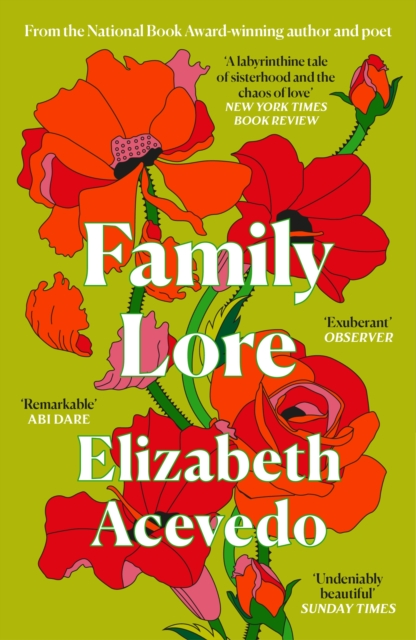
Family Lore by Elizabeth Acevedo (physical, large print, e-audiobook, audiobook on CD, Libby e-book, available in Spanish)
The Marte family has its secrets. Flor is able to predict people’s deaths. Matilde’s husband is unfaithful. Pastora tries to hold the family together. The secrets extend to the family’s next generation, too. Told over the span of three days, Acevedo shares the Marte lore across time and place.
Second Generation Blues by Julio Anta & Red Dryer (physical)
In this newly released graphic novel, Luis Menendez feels stifled by his immigrant parents’ expectations, particularly those of his overbearing father. Luis’s one bright spot is his crush, Yara. Things start to turn in his favor as he’s offered a dream fall internship, but he must decide whether his dreams are more important than family loyalty.
Spooky Season
Picturebooks
Five Black Cats by Patricia Hegarty (physical)
Five brave little black cats face the night. Creepy adventures abound.
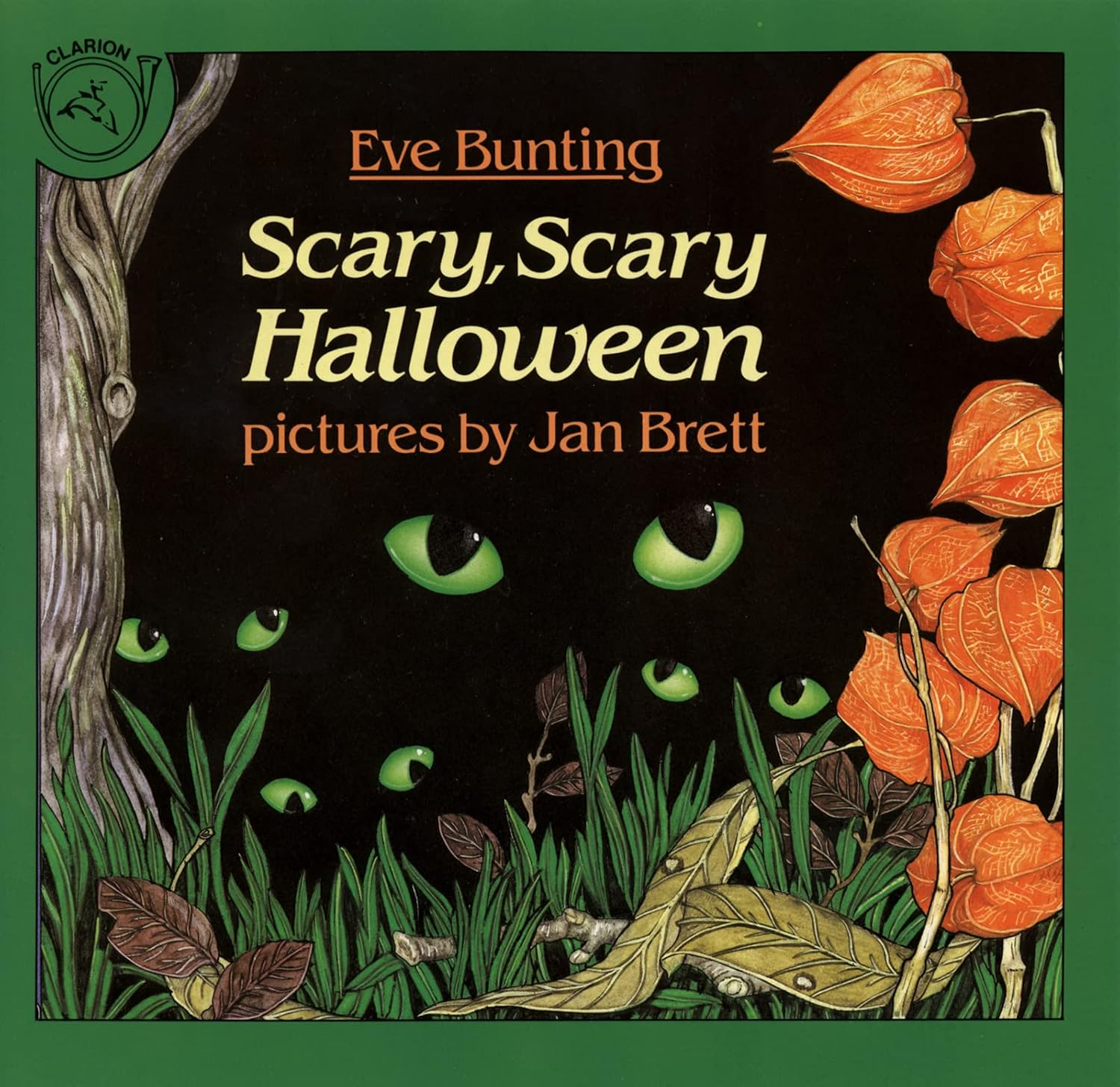
Scary, Scary Halloween by Eve Bunting (physical)
On Halloween night, monsters and creatures lurk in the shadows. But maybe things aren’t as scary as they seem.
Christopher Pumpkin by Sue Hendra (physical)
To throw the scariest Halloween party yet, an old witch brings a group of pumpkins to life. But Christopher Pumpkin isn’t like the rest. They like screams and fright, while he likes kindness and fun.
Middle Grade
The Bellwoods Game by Celia Krampien (physical)
Every Halloween, sixth graders in Fall Hallow gather to play the Bellwoods Game to pacify the ghost of Abigail Snook. When Bailey is finally old enough to play, she learns there’s something much scarier than Abigail’s ghost waiting in the woods.
Don’t Turn Out the Lights: A Tribute to Alvin Schwartz’s Scary Stories to Tell in the Dark edited by Jonathan Maberry (physical, Hoopla e-book, Hoopla e-audiobook)
Inspired by the horror classic Scary Stories to Tell in the Dark, this collection of stories from authors like R.L. Stine will terrify readers with illustrations that up the thrill.
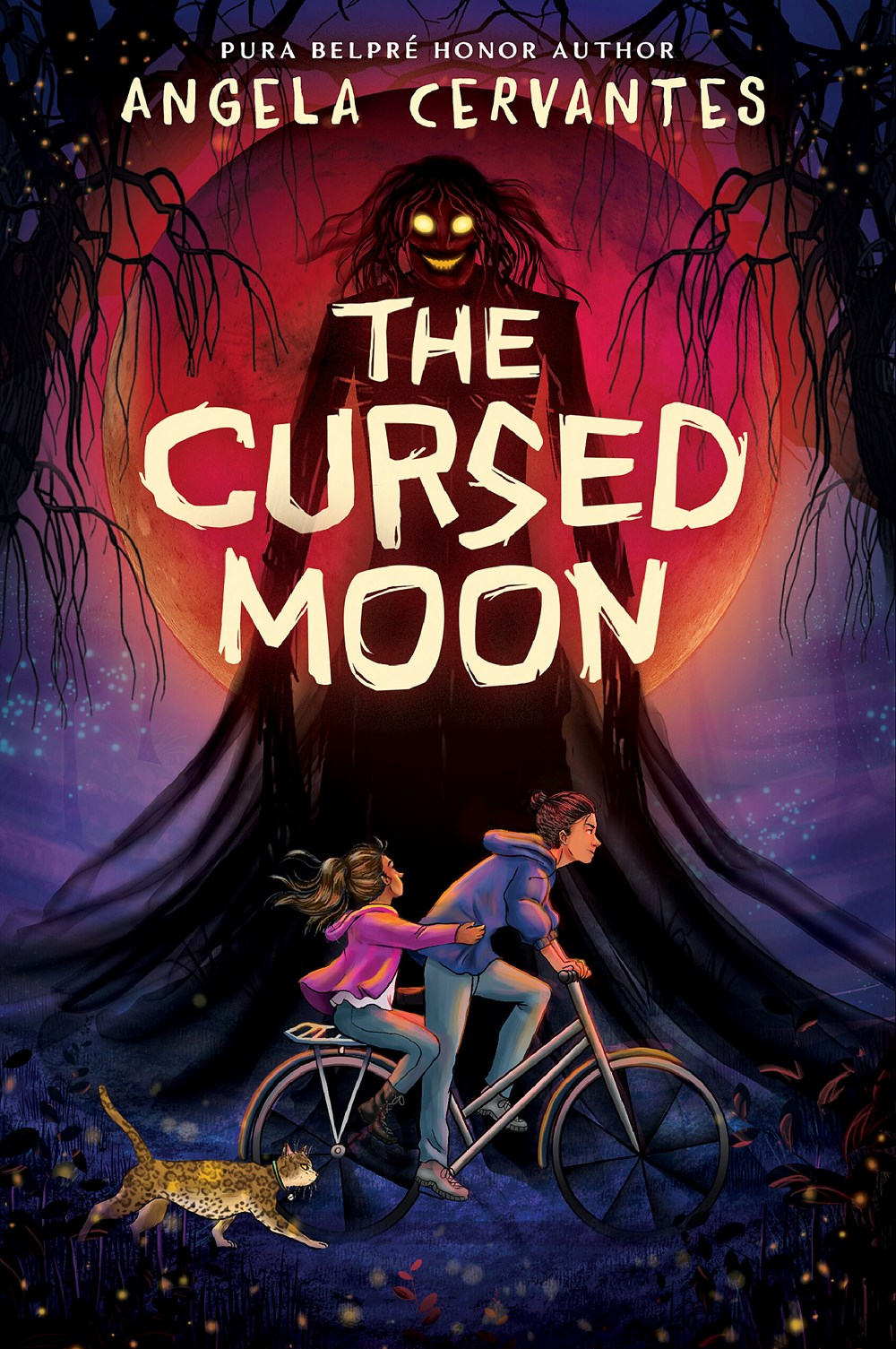
The Cursed Moon by Angela Cervantes (physical, Hoopla e-book, Hoopla e-audiobook)
Rafael’s mom is getting released from prison soon. To distract himself, he invents the scariest story he can think of. But then, strange things begin happening around his house… Rafael has really created a monster.
Young Adult
Ace of Spades by Farida Àbíké-Íyímídé (physical, Hoopla e-audiobook)
Senior year seems promising for Devon and Chiamaka. They’ve been selected as class prefects at the prestigious Niveus Private Academy. But excitement turns to fear when a person going by Aces begins sending anonymous messages, revealing secrets that could ruin their lives. Devon and Chiamaka must act before things turn deadly.
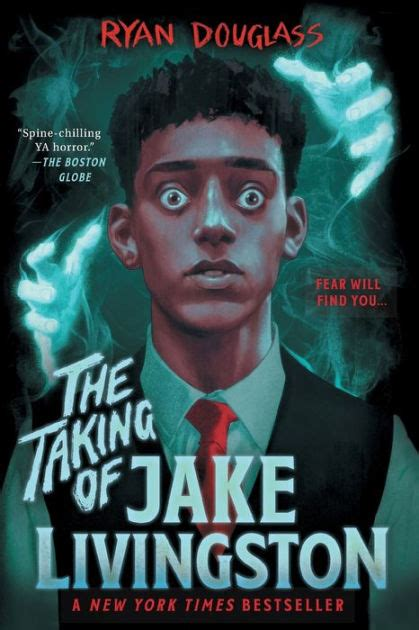
The Taking of Jake Livingston by Ryan Douglass (physical, Libby e-audiobook)
Two students at St. Clair Prep are on Jake Livingston’s mind: the handsome new student, Allister, and Sawyer Doon, a troubled teen. One catch: Sawyer is a ghost who killed six students at his high school before turning the gun on himself. Normally, the ghosts Jake sees are harmless, but it seems Sawyer has other plans.
Cry Out Loud by Tara O’Connor (physical)
Rebellious teen Nell doesn’t want people to tell her what to do. What she doesn’t know is that her fate was written generations ago by ancestors who destined her to be offered as a blood sacrifice. In this graphic novel, Nell must break the cycle or pay the ultimate price.
Check back with the blog on October 29, for spooky read recommendations for Adults!
Written by:
Allison Woodley
Information and Digital Services Assistant