This is the low-lift part of writing, but honestly, one of my favorites to plan out. It’s mission-critical, though, regardless of your chosen route (self-publish, indie-publish, traditional, or a personal backlog to pass on). If your writing has an end goal, an accountable writing routine is a must.
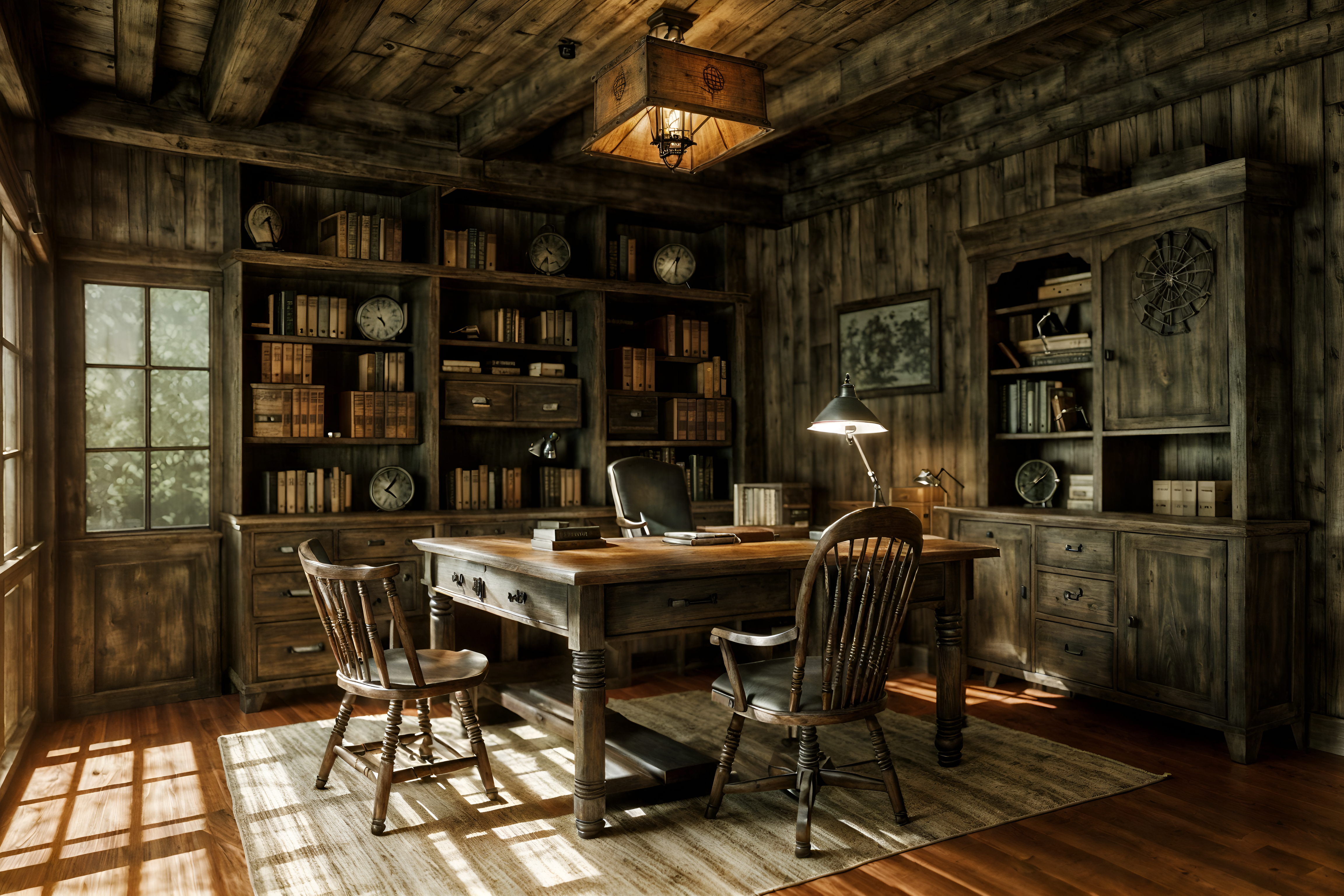
It’s the romanticized idea of a writer at their desk, cup of coffee by their side, classical music playing, a sweater warming their bones while the room around them sits still. This exercise takes our writing from a casual hobby to a dedicated endeavor.
How to get started:
Step 1: Analyze your current routine
Take a look at how you are writing at the moment.
- How many days per week do you work on your novel, short stories, etc. Example: 3 days a week: Monday, Wednesday, Saturday
- When do you commit to writing (a dedicated time trains your mind and focuses your intention to this activity. Ritualistic muscles kick in, the same way runners go for a morning run). Example: Late morning (10-12), Afternoon (2-5)
- Where do you write – a certain room/ space? (This place becomes your sanctuary, and your endorphins spike when you walk in because your mind is trained on what will happen when you are in this place).
- Do you write by hand, on your phone/laptop, or a combination?
- Do you use a certain software? Word, Scrivener, ProWritingAid, Google Docs, something else?
- Do you procrastinate/get distracted? If so, what distracts you? (Identifying the problem helps you fix the problem). What around you could lead to this? What have you implemented to help combat this problem?
Step 2: Enhance your Routine
Go through your answers and think about how to enhance on them.
Here are a few suggestions, but don’t overdo it. Be wary of your capacity and schedule.
How often would you like to write in the week?
- Every day is great if you can manage it.
- But it’s also good to take some space from the book.
- Some people write 5x per week and take a couple of days off.
- Others do 3x per week. It’s about what suits you best.
How many days does your schedule allow?
When would you like your days off to be? (This is important to relax the brain and give it a rest).
What’s a good time of day for you to write? From what time to what time?
- Securing a certain time is best.
- Many authors (especially the most prolific) sit at a certain time of the morning or evening and write for a given period. For example: 6 PM-10 PM.
- Don’t be too ambitious. Make it realistic.
When will your writing time be in the day? Example: Monday & Friday: 2:00-5:30 | Tuesday & Thursday: 10:30-12:00
What activity do you do already that you could ‘anchor’ this habit to?
- Having a specific time is great, but if you can also connect this to a habit you’ve already got, you’ll be even more likely to stick to it.
- For example, ‘after I’ve eaten dinner’, or ‘after I’ve finished breakfast’.
Where could your writing space be?
- Ideal places are comfortable, quiet, and focused – your classic study.
- Clean (and keep clean) this space so it’s really tidy, and make it as comfy-creative as possible.
- Suggestions: Adding inspiring pictures can also help with the aesthetic. A library or cafe are great options, too.
- Make your devoted space obvious: Your ‘writing stuff’ should all be in this space with as little movement out of it as possible (if you move around the house, your mind will wander to other puttering activities).
Combine writing with something that moves you into the symbolic meaning of your writing time.
- A certain tea while you write.
- A collection of dedicated playlists that fit the theme and genre of your writing.
- A certain snack you eat while you write.
- A certain candle smell.
Step 3: Finalize Your Routine
Note down the final details:
Writing Days:
Writing Day(s) off:
Time(s):
Anchor activity (after __, I’ll sit down to work on the book):
Writing Space:
Enjoyable activity:
That’s it. Simple. Low lift and no fuss. Analyze your goal and be real with yourself. All writers, both published and still working to be, understand the importance of this practice. Personally, it’s pretty cool to solidify this and begin the motion of building a committed, daily writer’s mindset.
Hit subscribe to get weekly updates on posts from the Hoboken Public Library!
Written by:
Sean Willey
Information and Digital Services Assistant
General Writing Craft Titles
Book: Save the Cat! Writes a Novel by Jessica Brody
Book: Mastering the Process: From Idea to Novel by Elizabeth George
Book: On Writing: A Memoir of the Craft by Stephen King
Book: Plot Twist: A Memoir on Writing by Harlan Coben
Book: Bird by Bird: Some Instructions on Writing and Life by Anne Lamott
Book: A Long Game: Notes on Writing Fiction by Elizabeth McCracken
TV: The Great Courses Writing Great Fiction
Audiobook: The Writing Life by Annie Dillard
Audiobook: Structuring Your Novel: Essential Keys to Writing an Outstanding Story
Audiobook: The Anatomy of Genre by John Truby
Audiobook: The Business of Being a Writer by Jane Friedman
Audiobook: Writing Series from Sandy Marsh (multiple step-by-step titles through the writing process)
Audiobook: Writing Fiction: A Guide to the Narrative Craft
Writing Workshops and Program Options at the Hoboken Public Library
1. Write and Share: Prompts and Projects
Whether you’re drafting a novel, developing a short story, exploring a new idea, or simply hoping to practice your writing skills, this space offers the chance to put words on the page alongside fellow writers.
Prompts for each meetup are themed and sent to registrants the morning of, so that they can develop ideas and thoughts for the evening’s gathering. These prompts are optional for those looking for a creative spark. Writers are more than welcome to focus on their own projects, too. This is time set aside to help us all get closer to reaching our writing goals.
To join us or if you have questions, please email reference@hobokenlibrary.org.
2. Writers Group
Get input and constructive feedback on your writing project in a friendly and supportive environment! Meets once a month.
If you are working on your next project—whether it is a novel, short story, memoir or poetry—our Writers Group is a great place to get input and constructive feedback on your work! Our supportive group of fellow writers can help give you insights you need into shaping your work for self or traditional publication.
Email hplwriters@gmail.com for more information.


Leave a Reply