New Fantasy Fiction: The Lost Spectacular, Spellstruck, The Haunted Librarian and Vengefully Matched

1 Oct

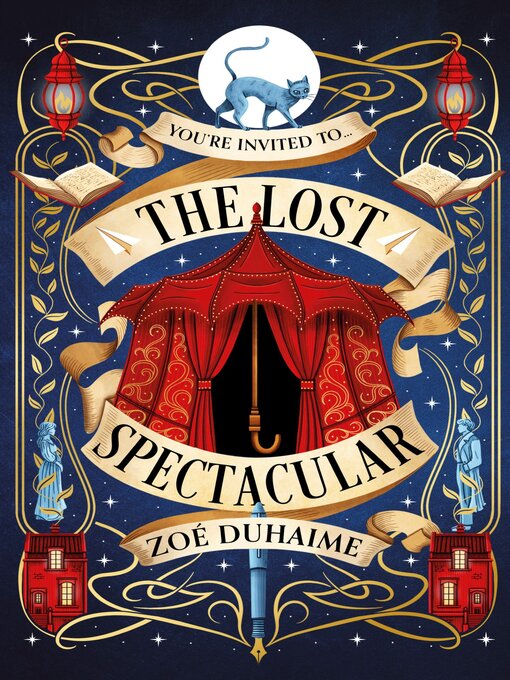
The Lost Spectacular
by Zoe Duhaime

The Lost Spectacular by Zoe Duhaime is a charming whimsical fantasy set in a City Not-Unlike-Montreal and a City That-Could-Have-Been-New York. Having a fondness for both cities, I enjoyed how she captured their essences even with a few tweaks here and there. Two childhood friends are now rivals, one, Munro Forrest a curator seeking to preserve, the other, Noon Bonaventure, a former bookstore proprietress steals forgotten bits from stories and art for her own use and that of the Spectacular, a marvelous metafiction dream carnival. The story is sure to delight fans of Erin Morgenstern’s Night Circus and the works of Jeanette Winterson. The Lost Spectacular is a deeply moving bittersweet nostalgic journey through classic works that explores the process of loss, letting go, and reconciliation. You’ll long to visit The Spectacular yourself; Duhaime’s novel is one you won’t soon forget!

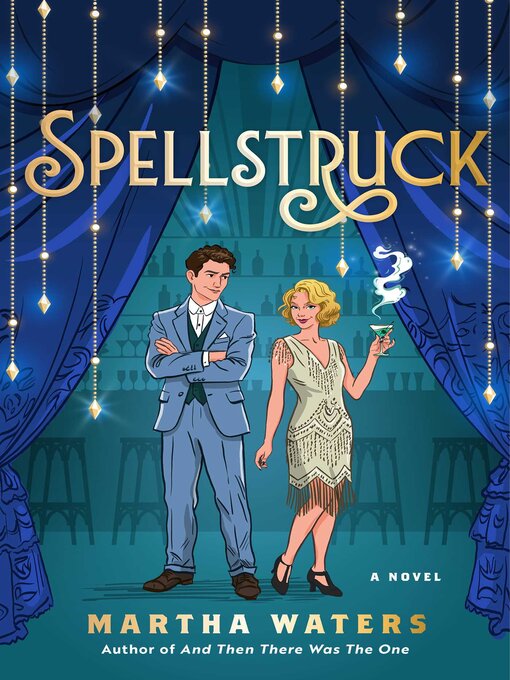
Spellstruck
by Martha Waters

Spellstruck is a fun historic fantasy set in 1920’s Britain where alcohol is legal, but potions and spellcasting are not. The novel is populated with charming characters including the whimsical flapper, Vesper Holloway. Vesper is the proprietor of a private club that mixes cocktails with spell ingredients activated by her family’s word of power. When odd incidents start happening at magic speakeasies in London, Vesper gets involved with an old family friend who is now part of FLEA, the agency enforcing the ban on magic. Magic is fading in the spellcasting families so spells tend more about making someone more glamourous or food taste better rather than having dramatic effects so this story will appeal to those looking for fantasy that is light on violence and gore. This is a delightful novel that will appeal to fans of cozy mysteries, fantasy and romances with quirky and compelling characters. Fans of this story can also check out the romances Christmas is All Around You and Regency Vows series also by Waters.

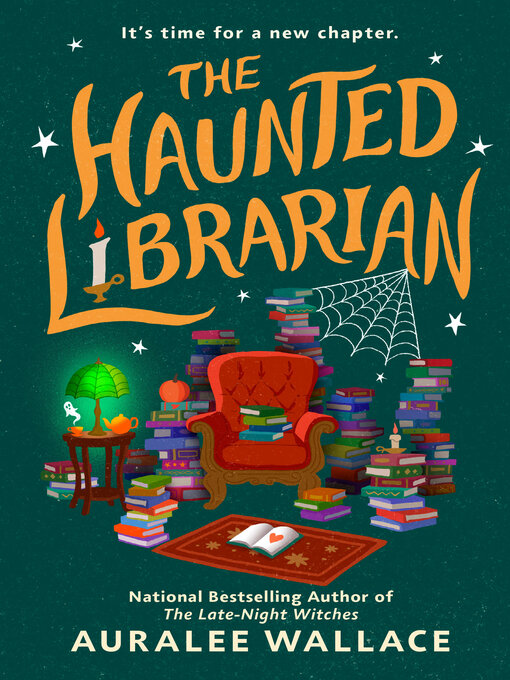
The Haunted Librarian
Auralee Wallace

The Haunted Librarian is Auralee Wallace’s new cozy fantasy romance about an introverted bookworm, Amelia, who is cursed with the ability to see ghosts. When she is hired to be the night librarian at a charming library branch with a handsome head librarian, she thinks it is her dream job despite the warnings of the ghosts she sees along the way. I found this to be a fast paced and fun read. It was enjoyable to see how prickly Amelia learned to open herself to others and not hide behind lies to find friendship and a sense of belonging. Working in a library, myself, I found some of those story details did not always ring true, but the emotional heart of the story shone through and I’d highly recommend this one. If you enjoy this story you can also checkout more magical reading from Wallace including In the Company of Witches and The Late-Night Witches.

Vengefully Matched
by Audrey Goldberg Ruoff

Vengefully Matched is the new novel by Audrey Goldberg Ruoff and is about the sister of one of the love interests, Azrael, in her previous romance Hopelessly Teavoted. Pricilla Hart fled her wedding on her way to the alter when she realized she and her ex weren’t compatible, embarrassing herself in front of the witch community. But standing in her way from restoring her reputation is Agatha Vanderbilt Voisin the pink loving witch council president and frequent victim of Pricilla’s pranks. I did wish there had been a bit more character development beyond often characters sharing didactic view points and I felt the plot felt a bit jumbled, but there is a lot going on in the novel to keep one interested including mysterious attacks on Agatha. This will appeal to those who enjoy spicy enemies to lovers romance stories and fast-paced cotemporary fantasies that bring in modern language and social issues. Fans of Ann Acguire’s Fix-It Witches series may also enjoy this series.
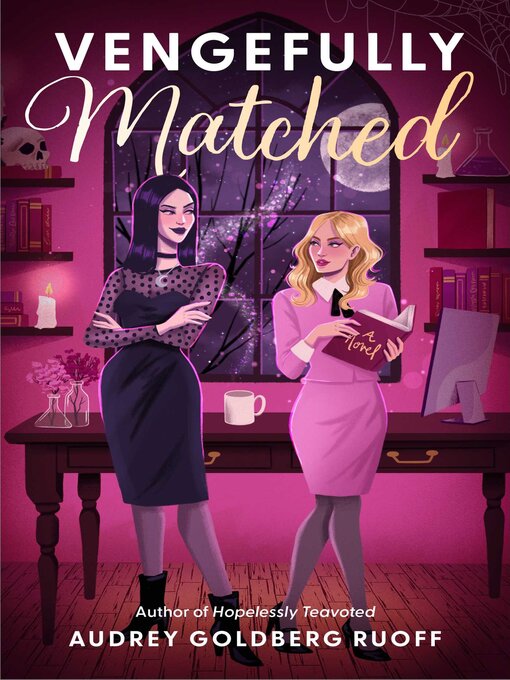
Cover of Vengefully Matched: A Novel by Audrey Goldberg Ruoff, author of Hopelessly Teavoted. Includes a drawing of a tall black haired woman in a black dress facing a shorter blonde woman in a pink dress suit. Behind them is a table with a computer monitor, flowers in beakers, and a mug. Shelves on the wall contain books, candles, and a skull. A large window shows leafless tree branches, a full moon, and a shimmering trail of purple sparkles.

Written by:
Aimee Harris
Information and Digital Services Manager

Writing Craft Practice: Creating your Routine and Deadline

29 Sep

Storytelling and writing are pursuits that are easily romanticized and can be glorified as something very few can build a career or committed lifestyle around. Consistent habits of writing and reading matter, but, I argue, self-imposed writing routines and deadlines matter more. They make the pursuit real and progressive. Storytellers committed to the craft and with dreams of publication (self, indie, or traditional) hold their writing routine and time sacred. If this is you, take this routine and deadline exercise seriously.

A close-up shot of a person’s hand writing with a pen in a notebook on a dark, rustic wooden table. An open laptop, a glass of iced coffee, eyeglasses, and a white coffee mug are scattered across the desk, creating a busy collaborative work environment.

Work through this reflective questionnaire to better understand how your writing routine may or may not align with your goals.

Creating a writing routine is about more than checking off a to-do. It’s about aligning yourself with a realistic, enjoyable structure you can stick to and feel good about your progress in.

Step 1: Analyze and audit your current routine

(If you want your writing to become a reliable second stream or even a full-time career, this is 100% necessary).  

​Take stock of what you’re currently doing.

​Question: How often per week do you work on your book/stories?

​Answer:

​Question: When in the day do you usually do this?

​Answer:

​Question: Where do you write – a certain room/ space? (Consistency in location is important).

Answer:

Question: Do you write by hand or on your phone/ laptop?

​Answer:

​Question: Do you use a certain software – Word, Scrivener, Google Docs, something else?

​Answer:

​Question: Do you often find yourself procrastinating/getting distracted? If so, what distracts you?

​Answer:

Step 2: Improve your routine

Think about your above answers and how to improve on them.

​Question: How often would you like to write in the week?

​Every day is great if you can manage it. But it’s also good to take some space from the book. Some people write 5x per week and take a couple of days off. Others do 3x per week. It’s about what suits you best.

​How many days does your schedule allow?

​Answer:

​Question: When would you like your days off?

​Answer:

​Question: What’s a good time of day for you to write? From what time to what time?

​NOTE: If you have a very unpredictable routine and a regular time is hard to pinpoint, that is okay. Do your best with questions 2 and 3, and focus on the more important one: the weekly goal. ​(You can work on the book/story whenever you have time, but make sure X is done by the end of the week).

​Securing a certain time is great. Many famous writers write at a certain time of the morning or evening and write for a given period. For example: 11 AM-12 PM. Don’t be too ambitious. Make it realistic. If you do more, that’s great.

Question: When will your writing time be in the day? X time to Y time.

​Answer:

​Question: Where could your writing space be?

​Ideally, this place should be comfortable, quiet, and focused. Keeping the place tidy and creative helps.

Best practice: Make it obvious and static, so that when you walk by it, you know, ‘this space is for writing and being with your work in progress.

Answer:

​Question: Which software is your choice? (Microsoft Word, Google Docs, ProWritingAid, AutoCrit, Dabble)

​Answer:

Step 3: Finalize Your Routine

Note the final details of your routine (from your answers above):

​Days:

​Day/s off:

​Time (if applicable):

​Writing Space:

​Enjoyable activity while writing:

​Software(s):

Step 4: The Deadline

My favorite sport in High School was cross-country – just me, a set finish line 5 miles ahead, and the willpower to make the final push once I saw that line. And, as I did in practice, I calculated how long it would take for me to work through the process from start to finish.

​If you’re drafting, set your expectations and what needs to be done.

(This is not a perfect system and by no means should a writer hold themself strictly to this. Life happens. But setting expectations and putting coordinates on your map are important).

​How many days you write per week? Answer from above:

How many words you write on average on each of those days? Answer from above:

An estimate for how long the first draft will be (ex. 70,000 words)? Answer from above:

How many words you have left to write? Answer from above:

Divide your answer to question (4) by (2) to get the remaining days. Answer from above:

Now you have a sense of when the draft will be finished!

​Are you happy with your deadline? If so, great! If not, is it too far off for your liking, or too tight/soon?

​Remember: Storytelling should be an enjoyable experience and one that brings you joy as you think about what your story means to you and whoever may read it.

Comment below with your thoughts. Hit subscribe to get weekly updates on posts from the Hoboken Public Library!

Written by:
Sean Willey
Information and Digital Services Assistant

General Writing Craft Titles (To get inspired and immerse yourself, whether your pursuits are authorship or to better understand good storytelling.)

Book: Save the Cat! Writes a Novel by Jessica Brody

Book: Mastering the Process: From Idea to Novel by Elizabeth George

Book: On Writing: A Memoir of the Craft by Stephen King

Book: Bird by Bird: Some Instructions on Writing and Life by Anne Lamott

Book: A Long Game: Notes on Writing Fiction by Elizabeth McCracken

TV: The Great Courses Writing Great Fiction

Audiobook: The Writing Life by Annie Dillard

Audiobook: Structuring Your Novel: Essential Keys to Writing an Outstanding Story

Audiobook: The Anatomy of Genre by John Truby

Audiobook: The Business of Being a Writer by Jane Friedman

Audiobook: Writing Series from Sandy Marsh (multiple step-by-step titles through the writing process)

Audiobook: Writing Fiction: A Guide to the Narrative Craft

Writing Workshops and Program Options at the Hoboken Public Library

1. Write and Share: Prompts and Projects

Whether you’re drafting a novel, developing a short story, exploring a new idea, or simply hoping to practice your writing skills, this space offers the chance to put words on the page alongside fellow writers.

Prompts for each meetup are themed and sent to registrants the morning of, so that they can develop ideas and thoughts for the evening’s gathering. These prompts are optional for those looking for a creative spark. Writers are more than welcome to focus on their own projects, too. This is time set aside to help us all get closer to reaching our writing goals.

To join us or if you have questions, please email reference@hobokenlibrary.org.

2. Writers Group

Get input and constructive feedback on your writing project in a friendly and supportive environment! Meets once a month.

If you are working on your next project – whether it is a novel, short story, memoir or poetry – our Writers Group is a great place to get input and constructive feedback on your work! Our supportive group of fellow writers can help give you insights you need into shaping your work for self or traditional publication.

Email hplwriters@gmail.com for more information.