Fans of Sci-fi and Fantasy have a home at the Hoboken Public Library’s Science Fiction and Fantasy Book Club. We have continued to have some great discussions this year. You can see previous book club posts at these links: Part 1, Part 2, and Part 3. Along with the selected works, group members discussed other favorite science fiction/fantasy books, TV shows, and movies. If you are a fan of the genres, join us for some great reads in the upcoming months! We will be reading Rosemary’s Baby by Ira Levin in October (around Halloween each year we read a classic horror novel), Slaughterhouse-Five by Kurt Vonnegut in November and The Lion, the Witch and the Wardrobe by C.S. Lewis. Come to the upcoming meetings and you can help decide what we read in 2016. We will be showing film adaptations before some of the Book Discussions. You can email hplwriters AT gmail DOT com to be added to the mailing list for the group and find out more information and get reminders about the books being discussed.
George R.R. Martin’s A Game of Thrones

We were wishing winter was coming when we discussed A Game of Thrones, on one of the hottest days of the year in August. A Game of Thrones interweaves several narrative perspectives from different characters living in a world similar to Eurasia during the Middle Ages that is about to experience both a physical as well as metaphorical epic winter. The book is over eight hundred pages, but it moved quickly for me and I felt at the end that although many of the characters had complete story arcs in their own narratives, all additionally added up to a larger whole like a story of the larger chess game being played out with the various knights, kings, and queens in this fascinatingly developed detailed world. There are elements of suspense, political intrigue, mystery, and romance that will appeal to those who are not typically fantasy fans. The series is probably the most popular high fantasy series of this decade due to the popularity of the critically acclaimed HBO TV series. Many of the group had read the entire series and seen the TV show. I had previously watched the first and some of the second season of the TV show and though I had enjoyed it, I found that the book added a greater dimension and understanding to the characters and their motivations. The group had a lively discussion about the characters and plot twists. I served a special castle-shaped cake (lemon flavored in honor of Sansa’s favorite dessert) as well as other Game of Thrones themed refreshments.
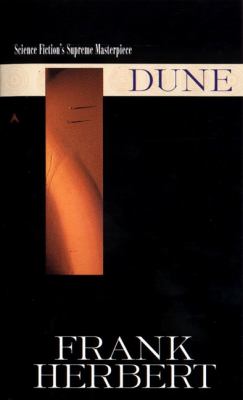
Frank Herbert’s Dune

In August, we discussed the 1965 soft science fiction classic Dune by Frank Herbert. I was intrigued to read Dune since I had heard a lot about it over the years. It is said to be an inspiration for the Star Wars series and a lot of other popular science fiction works. It was a nice selection to follow A Game of Thrones since it dealt with some similar themes of the nature of family and political intrigue. This is a good choice for those who like their science fiction more focused on plot and character and less on the scientific aspects of things. It is set in a universe where higher technology like AIs have been banned and instead people use their minds to replace higher computing tasks. A special spice, melange, only found on Arrakis enhances their abilities. Paul Atreides, the prophesied savior of the desert planet Arrakis and chosen one of the Bene Gesserit religious order, is the main character, however, I found myself most drawn to the story of his mother who is a powerful figure in her own right. Before the book discussion a screening of the movie adaptation of Dune was held. We enjoyed spice cupcakes with sand (gummy) worms and other Dune themed refreshments. It was great to hear from some of those who attended who were huge fans of the book. Several people had read the whole series and were able to provide a great deal of insight. One person even brought a Dune popup book based on the movie to share.
Michael Crichton’s Jurassic Park

In September, we discussed Michael Crichton’s Jurassic Park, which celebrated its 25th birthday this year. Although some of the science is slightly outdated now in its view of the dinosaurs (they don’t have feathers and the Velociraptors are too big), the book still remains a suspenseful thriller. It was amusing to see the characters surprised by encountering a touch screen on a computer for the first time, which has become ubiquitous now, but with tech like drones and smart homes in the news, fears of computer systems malfunctions seems more relevant than ever. In contrast to A Game of Thrones there are some definite “good” and “bad” guys in the book, but the group felt that most of the characters were better developed than in the movie version and showed some complexity, rather than just have the book be purely plot driven. One positive of the movie though was that it makes the female characters, especially Lex, less weak then they are depicted in the novel. At half the page length of the previous two books we’ve read, I found myself quickly moving through it over the Labor Day weekend. It was fun to see the original movie with the group, after this summer’s recent blockbuster success of Jurassic World.
I hope you’ll check out these great science fiction and fantasy works (all are available in print from our library or as an eBook on one our ereaders for loan at the reference desk) and join us in October for our next book discussion of the classic Rosemary’s Baby by Ira Levine on October 19 at 6 PM! There will be a special movie screening beforehand starting at 4 PM (email hplwriters AT gmail DOT com for more details). If you can’t get enough of spooky reads you can also join the library’s other book group for a discussion of the new chilling thriller, A Head Full of Ghosts, by Paul Tremblay on Thursday, October 29 at 7:30 PM. And for those that love to write as much as they love to read, consider joining our Writers Group which is meeting October 5 at 6 PM.
-Written by Aimee Harris, Head of Reference
Tags: a game of thrones, book club, dune, fantasy, jurassic park, science fiction





 Hoboken Library Staff Picks