Archive | Sean Willey RSS feed for this section

Stranger in the Woods (2017) by Michael Finkel

19 Mar

The Stranger in the Woods is the true account of Christopher Knight’s 27 year hermit journey in the Maine woods. No human contact, no conversation, no care for the outside world, just survival, and his own heartbeat against nature. He stole to survive, but took only what he needed. What’s remarkable about this book, besides its subject, is it achieves something consistent in its truth and a consistent question: Why?
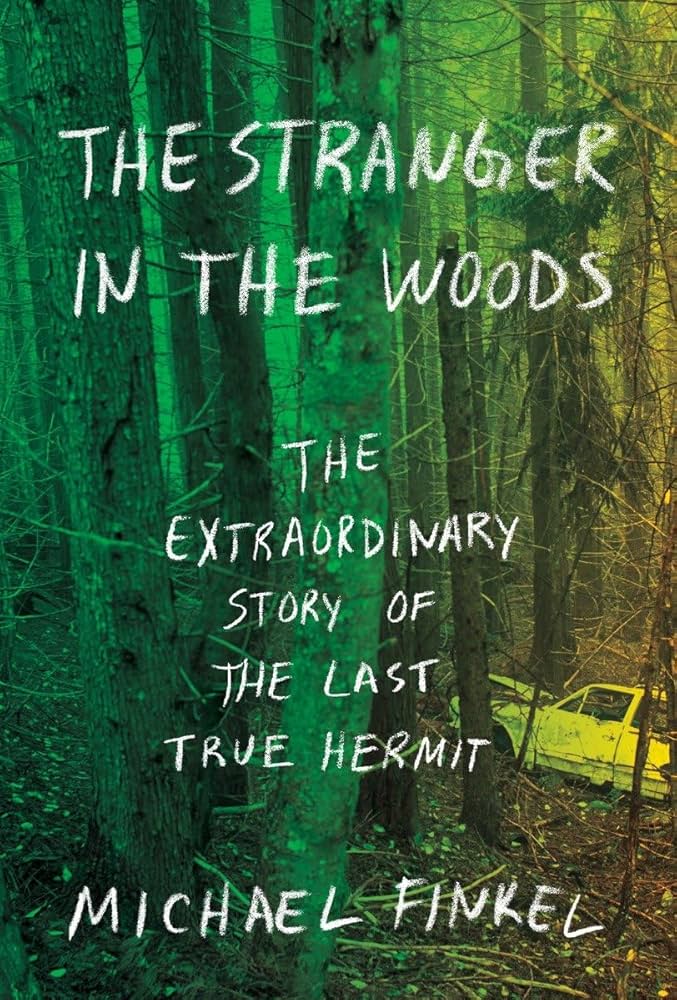
Book cover showing a dense and shadowy forest in tinted greens. Handwritten white chalk text reads “The Stranger in the Woods” and “The Extraordinary Story of the Last True Hermit.” In the background, a truck is hidden in the trees. The author's name, “Michael Finkel" is at the bottom.

Why do we need people and contact? Why do we succumb to society’s expectations? Why don’t we push harder to connect with universal truths? Why do we not pull away more from assumptions of who we should be. 

Knight’s story is not a sensationalized spew of intrigue, mystery, and crime, but an honest and connective account of someone who escaped authority and accountability for almost three decades. In a way, I came to respect Knight and his commitment to something he truly believed in, even if he knew it was wrong (if you think of it in terms of fiction, he’s a flawed antagonist, doing what he believes is right). 

What worked so well for me, is that Finkel lets the silence between Knight’s actions breath, giving us time to process both the magnificence of Finkel’s journey along with its mistakes. 

Finkel interviewed Knight extensively (though Knight was always reluctant and evasive), and he contextualizes Knight’s words with a blend of philosophy, psychology, and history. The book asks: Is solitude an illness, a spiritual awakening, a radical rejection, or just a preference?

A makeshift campsite in a wooded forest. Tarps are strung between trees to form a shelter, with clothing hanging from lines. Buckets, plastic bins, a propane tank, pots, and other survival gear are scattered on the ground and tied to trees, showing Christopher Knight's living setup deep in the woods.

Above is a photo of Knight’s camp. I felt the weight of being alone with Knight throughout the book, and I sympathized with him. At a certain point, I perhaps even wanted to follow in his footsteps (just an interesting thing to think about). 

And why did my mind go there? Because Knight’s mind simply switched, as all of ours has at some point (even if to this extreme.) There was no traumatic event or dramatic falling out. He just walked into the forest.

There is a powerful detail Finkel shares in Knight’s memory that haunts and fascinates me: Knight never felt lonely in the woods and simply forgot what it felt like to need people.

Have you read The Stranger in the Woods? What did you think? Comment below.

If you haven’t read it, you can reserve it in the BCCLS system here. 

Hit subscribe to get more Hoboken Public Library Staff Picks delivered to your inbox!

Written by:
Sean Willey
Information and Digital Services Assistant
Lord of the Flies (1963) on Kanopy

12 Mar
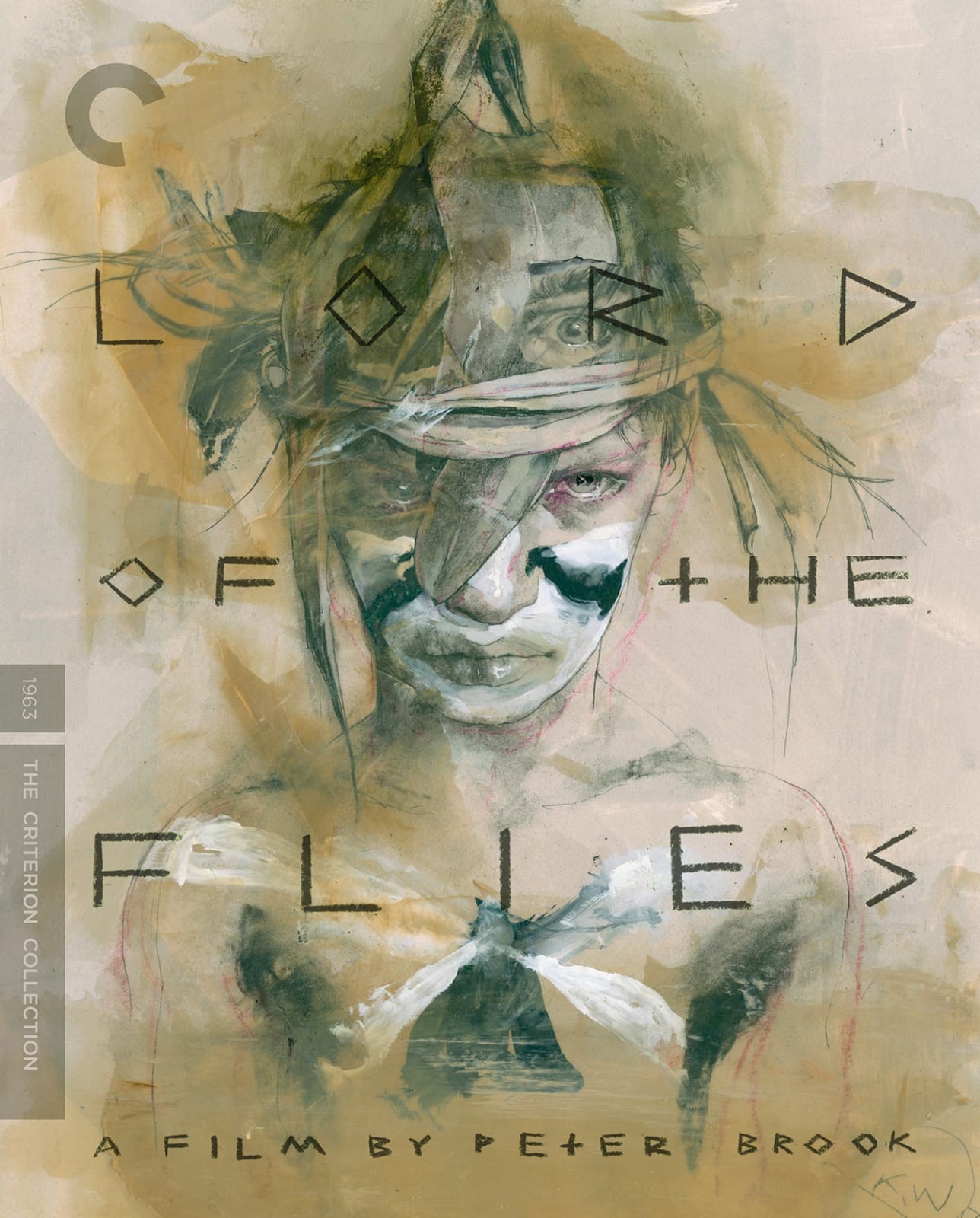
An illustrated film poster showing a young boy’s face painted with white and dark markings, staring forward with an intense and focused expression. Abstract shapes and muted earth tones surround the figure. The title, “Lord of the Flies” is integrated into the artwork.

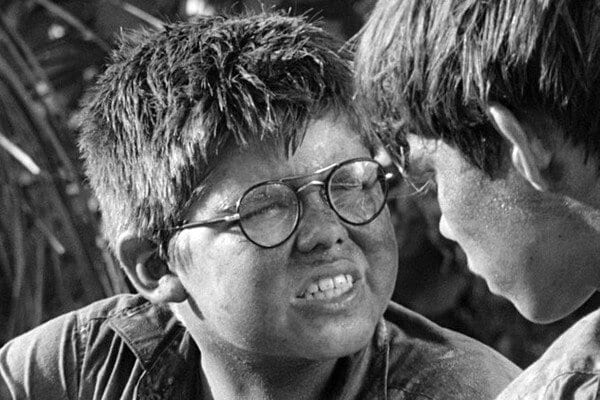
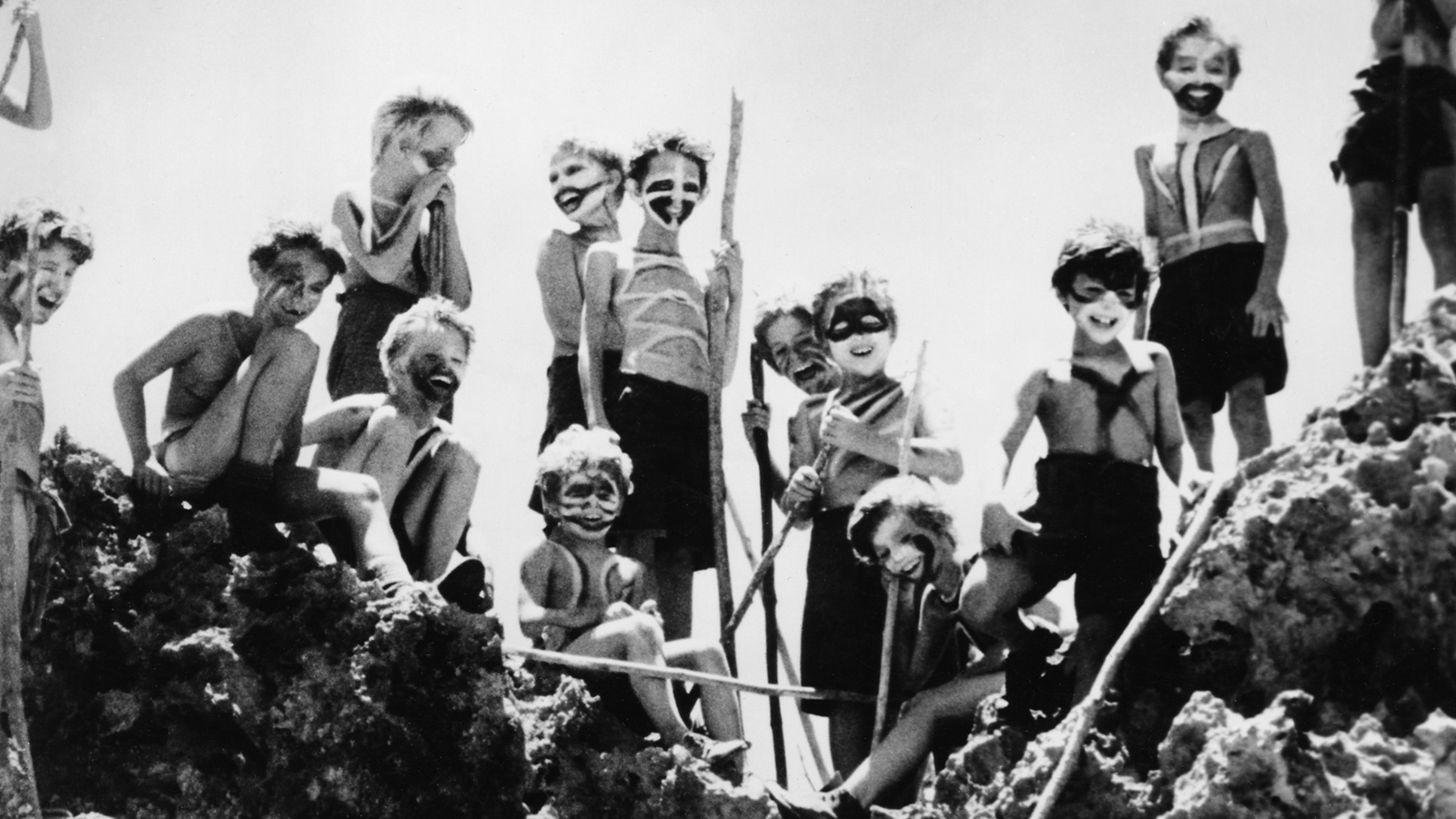
There haven’t been many film adaptations of William Golding’s Lord of the Flies (I believe this one and one in 2001 from MGM), but Peter Brook’s 1963 experimental film (available on Kanopy) might be the only one we need because the novel itself is an experiment. When a plane of schoolboys crashes on a deserted island, they are forced to decide how they will survive. Will they follow rules and order, or descend into chaos and savagery? Will order prevail, or will the fun of living untamed win?

Brook leans more heavily into this moral conundrum than into traditional character development, which is why I’d recommend reading the novel first (it’s a short read). The terror of this film is more so rooted in what unfolds, not necessarily in one particular scene (although there are certainly a few gut wrenchers): the bullying of Piggy, the low self-esteem follower who looks to Ralph as the fair-minded leader versus Jack, the “big man on campus” whose authority acted out through intimidation rather than reason. Between these opposing forces are a handful of boys we can feel for, none more than Simon, the timid and curious observer quietly grappling with his own moral compass.

Hunting and playing all day looks fun, but can fun save them, or is it just a slippery slope into madness?

The film rolls at an even pace, and the boys’ turn toward order or disorder is implied rather than drawn out. The transitions happen quickly, sometimes too quickly, but by the midpoint it becomes very clear where Golding believed humanity would drift when in this situation. Brook captures this sentiment brutally well. He doesn’t ease the message into us but instead twists it in with the roughness of a whittled spear.

When the credits rolled, I didn’t feel like I’d just watched a movie, but more so an apocalyptic study on the tenacity of human innocence.

Watch now on Kanopy: Lord of the Flies (Free with your library card). You can reserve the book in BCCLS here.

Comment below your thoughts once you’ve had a watch.

Hit subscribe to get Hoboken Public Library Staff Picks to your email!

Written by:
Sean Willey
Information and Digital Services Assistant