Have you ever wondered what the pumpkin juice served on the Hogswart Express would taste like or maybe wanted to savor the exquisite hot chocolate served in the Capital in the Hunger Games? Or perhaps you are curious about the cocktails that would be served at Fangtasia? There are plenty of mystery series that include at the end a few recipes from their crime solving chefs, but despite the intriguing dishes found in many fantasy novels, those treats are mostly left to our imagination. In these three cookbooks, however, the authors have transmuted dishes that previously only existed in our minds to something that we can make and taste for ourselves. These dishes would be great for a fan’s themed birthday party or a special book club meeting. Some recipes even sound good enough to make a permanent part of your cooking repertoire.
As well as being available in print, all three of these books are available to Hoboken Library Card Holders as eBooks through eLibraryNJ. Library card holders can borrow the books that inspired the recipes as eBooks too!
The Unofficial Harry Potter Cookbook, by Dinah Bucholz
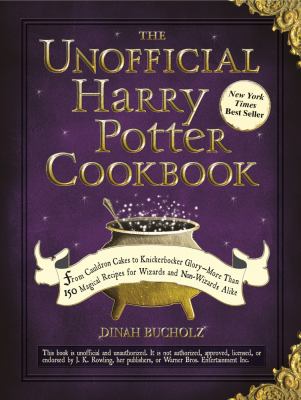
J.K. Rowling’s Harry Potter series is filled with mouthwatering food so I was curious to take a peek at Dinah Bucholz’s Unofficial Harry Potter Cookbook to see how she recreated the dishes from the novels. This cookbook will be enjoyable to nonfans of the series, who are anglophiles, since many of the foods included are classic English dishes recreated. I loved the peppermint humbugs I tried when I was visiting London, and will be curious to try to recreate them from Bucholz’s recipe next Christmas. I was actually surprised to learn how many things were not purely from Rowling’s imagination, but had basis in commonly eaten English treats such as the Fizzy Sherbert Pouches–the ones you can make at home unfortunately (or fortunately) won’t lift you off the ground like in Rowling’s books. Recipes include food from Harry’s time living with the Dursleys, at Hogwarts, on the Hogwart’s Express, in Hogsmeade, and in Diagon Alley. The recipes are organized by these locations rather than by types of dishes. Accompanying text for recipes includes not only where the mention of the food the recipe is based on can be found in a particular chapter, but also some historical background such as the origin of foods including hamburgers, ice cream sundaes, and pasties. Older children will enjoy reading more about the dishes and helping their parents in the kitchen recreating some of the treats.
The Unofficial Hunger Games Cookbook: From Lamb Stew to “Groosling”—More Than 150 Recipes Inspired by the Hunger Games Trilogy, by Emily Ansara Baines
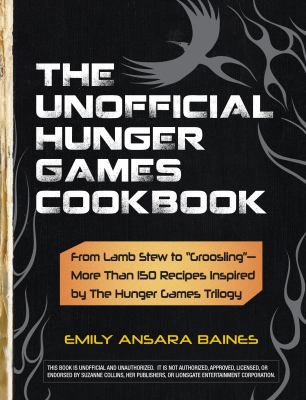
Emily Anasara Baines is a former professional baker and caterer who is also a huge Hunger Games fan. Suzanne Collins’s trilogy sets up an interesting contrast with food that highlights the disparity between those living in the capital with those in the districts. Baines describes the symbolic role that the food takes on in the series and her book gives a helping of literary interpretation with each recipe leading the reader to come away with not only some delicious recipes, but also a richer understanding of the novels. Be warned though the author is very fond of puns, perhaps even more than I am. Some of the foraging and hunting based recipes such as those using katniss roots and raccoon meat were less than appealing to me, but if I had the time I would love to try all the different bread recipes she featured which include the breads that represent each of the districts in the book. One clever addition to each recipe are the “tips from your sponsor” that have useful hints such as using crescent rolls for a pie crust if you don’t have time to make your own, a substitution for when you don’t have buttermilk on hand, and using dental floss to more easily cut cinnamon buns. I found Baines’ baking advice particularly helpful. These clever and resourceful hints would make Katniss proud.
True Blood: Eats, Drinks, and Bites from Bon Temps by Gianna Sobol, Alan Ball, Alex Farnum with recipes from Marcelle Beinvenu

This cookbook is based on the television series more than Charlaine Harris’s Sookie Stackhouse novels, however, fans of the novels who didn’t necessarily watch the show will still enjoy trying these recipes inspired by Fangtasia, Merlotte’s and the Southern Style cooking practiced by many of the book’s characters. The book is written as if it is a collection of recipes from the True Blood characters and everyone from Sookie to Debbie Pelt introduces different recipes all of which have quirky pun filled names. Since I love Cajun food, this cookbook had a variety of recipes I’d like to try especially those featuring my favorite crayfish such as crayfish fritters and crayfish dip. Since this book unlike the previous two, is an “official” work it includes a variety of color photographs from the TV series, which will be a delight to fans of True Blood’s eye candy. For those budding mixologists there is a sizable cocktail section (including a Bon Temps spin on the bloody mary) reflecting that this is a very adult series. My husband once tried to create “True Blood” for a viewing party we held by combining everything from Chambord to Jägermeister. It very surprisingly tasted pretty good considering his goal was looks not flavor, but I think we might try recipes from this book this summer when the final season of True Blood airs. You can catch up on the previous seasons with the DVDs available at BCCLS libraries. You may also want to check out The Sookie Stackhouse Companion by Charlaine Harris, which includes recipes inspired by the books series.
-Written by Aimee Harris, Head of Reference


 Hoboken Library Staff Picks