Tag Archives: children’s books

Raising Safe Children

29 May

It’s never a pleasant day when you open the newspaper and see that someone has taken advantage of children in your own community.  Sadly, it does happen and when it happens, it reminds us that our children are precious human beings who need to be protected with the knowledge that it’s okay to say “no” to adults.  It’s a hard subject for adults to broach with children, so just imagine how hard it would be for a child to talk to an adult – even a trusted adult – about their discomfort with good or bad touch.

The following books, available in the BCCLS system, are great ways to start a conversation with your children about how to protect themselves from inappropriate touching and stranger danger, in general:

My Body Belongs to Me: A Book About Body Safety, by Jill Starishevsky.
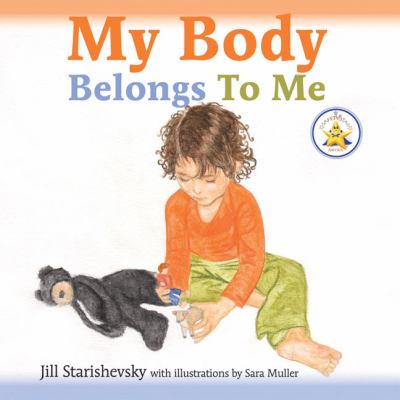
my-body-belongs-to-me

A straightforward, gentle book that helps children learn about how to keep their bodies safe and when they should share information with a “safe” adult.

My Body Belongs to Me From My Head to My Toes, by Connie Stradling Morby.

my-body-belongs-to-me-toes

Teaches young children how to say “no” when they feel that their boundaries have been violated, and how to maintain a positive self-image.

Good Touch, Bad Touch: Learning About Proper and Improper Touches, by Teresa Connor.

good-touch-bad-touch

A book that helps parents talk to children about inappropriate touching.

Some Parts Are Not for Sharing, by Julie K. Federico.

some-parts-are-not-for-sharing

When is it all right for a child to be touched and when should they be taught to say “no” to adults touching them?  This book opens a dialogue for parents to discuss boundaries with their children.

Stay Safe: How You Can Keep Out of Harm’s Way, by Sara Nelson.
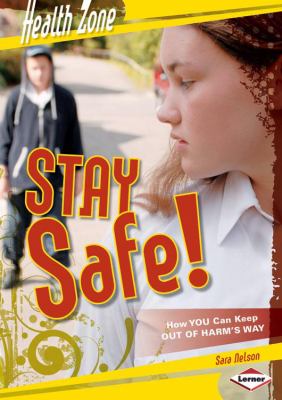
stay-safe

Teaches children to be aware of their surroundings, the people around them, and how to stay out of danger.

Staying Safe by Saying No, by Cynthia MacGregor.

staying-safe-by-saying-no

“No” is a powerful word for a child in a dangerous situation. This book teaches children the importance of protecting themselves with the word “no.”

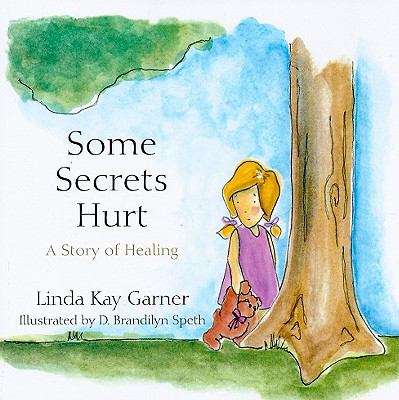
Some Secrets Hurt, by Linda Garner.
some-secrets-hurt

Maggie is upset when she is touched in a way that makes her feel uncomfortable.  The person who touches her tells her to keep it a secret, but she wisely decides to tell her parents.

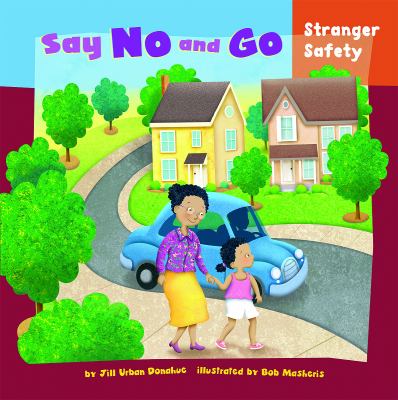
Say No and Go: Stranger Safety, by Jill Urban Donahue.
say-no-and-go

Teaching children to leave when they feel in danger is a valuable strategy.  This book educates children on ways to stay safe in “stranger danger” situations.

Once Upon a Dragon: Stranger Safety for Kids (And Dragons), by Jean Pendziwol.

once-upon-a-dragon

Rhyming text and a fairy tale background teaches children the principles of taking care of themselves and resisting pressure from strangers who might do them harm.

In most cases, these are books to be shared with a parent or another trusted adult so that children can ask questions about how to protect themselves and adults can begin to explain why and how children can preserve their personal space, even with other adults.

-Written by Lois Gross, Senior Children’s Librarian
How NOT to Eat Like a Child

16 Jan

Way back in 2001, when dinosaurs still probably roamed the earth (or at least we were all still playing Tetris on our video consoles), a book came out for adults by Delia Ephron, the younger sister of the late, great Nora.  The book was called How to Eat Like a Child, and was a tongue-in-cheek book for adults about how children misbehave, adorably.

Recently, there have been many comments on internet listservs that I am on about how children behave in public, less adorably.  Honestly, it sounds to me that most of these complaints come from young non-parents who will change their tune, quickly, when they have their own little ones to take to public places.  Meanwhile, if you want to cultivate extraordinary behavior in your own offspring that will bring nothing but praise from other adults, I’d like to suggest some books to teach kids the “p’s and q’s” of public behavior, instead of “a,b,c’s.”  These titles are all part of the Hoboken Library’s collection:

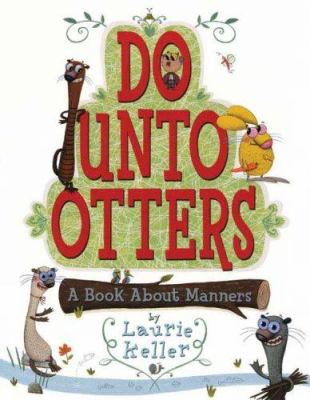
Do Unto Otters: A Book About Manners, by Laurie Keller.

do-unto-otters

Mr. Rabbit wonders how to get along with his new neighbors, who are otters, until he remembers the Golden Rule about treating others as you would like to be treated.

Please Say Please! Penguin’s Guide to Manners, by Margery Cuyler.

please-say-please

Penguin teaches her animal friends the proper way to be a good dinner guest.

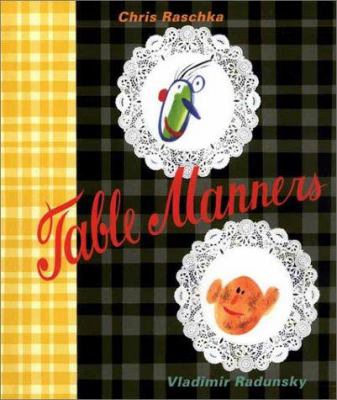
Table Manners, by Vladimir Radunsky.

table-manners

Chester teaches his good friend, Dudunoya, about napkins, full-mouthed accidents, and other aspects of proper mealtime behavior.

Hippo Says, “Excuse Me,” and Bear Says “Thank You,” by Michael Dahl.

hippo-says-excuse-me

bear-says-thank-you

This is the most basic of mannerly behavior for the youngest children.  The only thing missing is how to say “please.”

Will Princess Isabel Ever Say Please? By Steve Metzger.

will-princess-isabel-ever-say-please

Princess Isabel is so unmannerly that she is scaring away all the handsome princes who might marry her.  Princess Isabel needs to learn to behave herself, quickly.

Mind Your Manners On-line, by Phyllis Cromwell.

mind-your-manners-online

Hopefully, a book for a slightly older reader who has unsupervised access to the internet.  Deals with cyberbullying, sharing information, and learning to be careful with access to the world’s most amazing tool for communications.

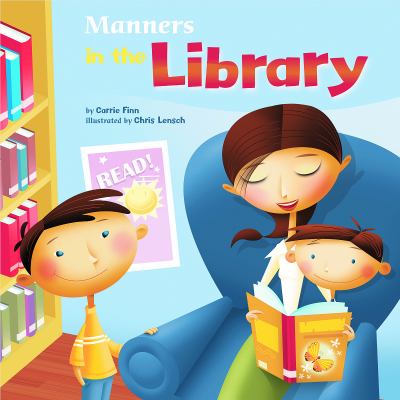
Manners in the Library, by Carrie Finn.

manners-in-the-library

How could I resist?  A little reminder about keeping voices quiet, sharing space with others, and making a visit to the library a pleasant experience.

Now, I am obliged to say “thank you” for reading this post, “please” pass it on to others, and “welcome” to all of you who visit the library.

Written by Lois Gross, Senior Children’s Librarian