Mary Higgins Clark passed away on January 31, 2020 in Naples, Florida, at the age of 92. Clark lived for many years in north Jersey. She was my mother’s favorite author and she often enjoyed finding details she recognized about local sites in her books, so it was great sadness that we learned of her passing. I wanted to take look at the literary legacy Clark left behind. According to Simon & Schuster, “Beginning in 1975 with the publication of WHERE ARE THE CHILDREN, each of her 56 books has been a bestseller. There are more than 100 million copies of her books in print in the United States; they are international bestsellers and have been translated into every major and many less well-known languages.” Check out one of her novels out today!
Kiss the Girls and Make Them Cry
by Mary Higgins Clark
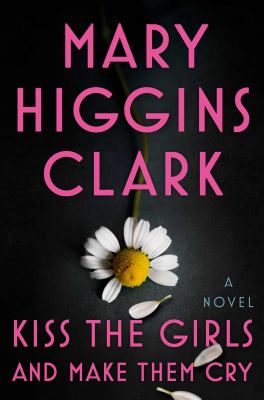
Kiss the Girls and Make Them Cry was Clark’s latest novel published in November. It focuses on the story of journalist Gina Kane who investigates a TV News Network where employees are complaining of sexual misconduct; the woman, who reached out to Kane dies in a suspiciously timed accident. With sexual misconduct in the workplace a current hot topic, this work shows that Clark kept her finger on the pulse of what was going on in the world and reflected it in her work.
Under Suspicion Series
by Mary Higgins Clark and Alafair Burke

The Under Suspicion Series was co-written with Alafair Burke and details the mysteries of Laurie Moran, producer of the TV documentary series which focuses on cold cases. In the first from the series, I’ve Got You Under My Skin, Laurie must deal with the memories of the unsolved murder of her husband as she begins producing a documentary about another cold case. In the latest in the series, You Don’t Own Me, Laurie is planning her wedding and looking for a new place, when a couple comes to her with the case of their murdered son.
Mount Vernon Love Story: A Novel of George and Martha Washington
by Mary Higgins Clark

Clark’s first novel, Aspire to Heaven, was published in 1969. It was a short historical romance about the relationship between George and Martha Washington. It was republished years later in 2002, under the title Mount Vernon Love Story allowing fans to see how Clark’s writing career began.
Alvirah and Willy Series

Alvirah, a lottery winner, and Willy Meehan, a plumber, are a married couple who solve crimes together and make appearances in several of Clark’s novels. In 1987’s Weep No More, My Lady, Alvirah fist makes her debut when she helps a woman who is unraveling what occurred in the death of her sister. The most recent featuring the couple from 2017 All By Myself, Alone, is set during a cruise for their forty-fifth wedding anniversary; a jewelry expert reaches out for their help in solving the mystery around the death of a wealthy woman on board, whose priceless necklace is now missing.
Holiday Novels
by Mary Higgins Clark and Carol Higgins Clark

Mary Higgins Clark’s daughter Carol Higgins Clark is also a bestselling novelist. I’m a fan of Carol Higgins Clark’s Regan Reilley Series. Mary and Carol did several holiday novels together including Santa Cruise and The Christmas Thief, which feature crossovers between Reilley with Alvirah and Willy.
Movie Adaptations
Several of Mary Higgins Clark’s works have had theatrical adaptations and many have been adapted as TV movies. As well as individual movies like Haven’t We Met Before starring Nicollette Sheridan, you can borrow collections from BCCLS libraries including Mary Higgins Clark 14 film collection and Mary Higgins Clark : 5 films.
Written by:
Aimee Harris
Head of Reference